Log In




Trees provide essential vertical structure and the illusion of space in small gardens by drawing the eye upward. In the guide below, we explain how you can fit trees into small gardens and showcase our favorite varieties for limited landscapes.
Why do trees work well in small gardens?
Add vertical structure without sacrificing ground space
Create natural screening at eye level
Help divide and define areas of the garden
Provide year-round interest
Soften fences, walls and hard landscaping
Making Smart Choices
When planting trees in small gardens, the key is choosing the right forms and habits. Half standards and multi stems are particularly effective, as they offer presence without unnecessary bulk. It is also important to consider a tree’s mature height before planting.
What are half standards and multi-stems?
Half Standard trees feature a shorter stem, typically around 1 metre, with a raised head of foliage. They are ideal for adding height, interest and dimension to any garden. Their shorter height also makes the canopy more accessible for pruning, allowing them to be easily shaped and maintained at a desired size.
Multi Stem trees have two or more main stems arising from, or very close to, ground level. They are excellent for small gardens because they restrict the plant’s overall size and spread, dividing energy across several trunks.
Our Favourite Options for Small Gardens
1. Olive (Olea europaea). Their silvery foliage and soft textures create a relaxed atmosphere, while their naturally gnarled, sculptural bark adds character to any space. When grown in a half standard form, Olive trees work beautifully in pots, gravel gardens or as focal points near seating areas.
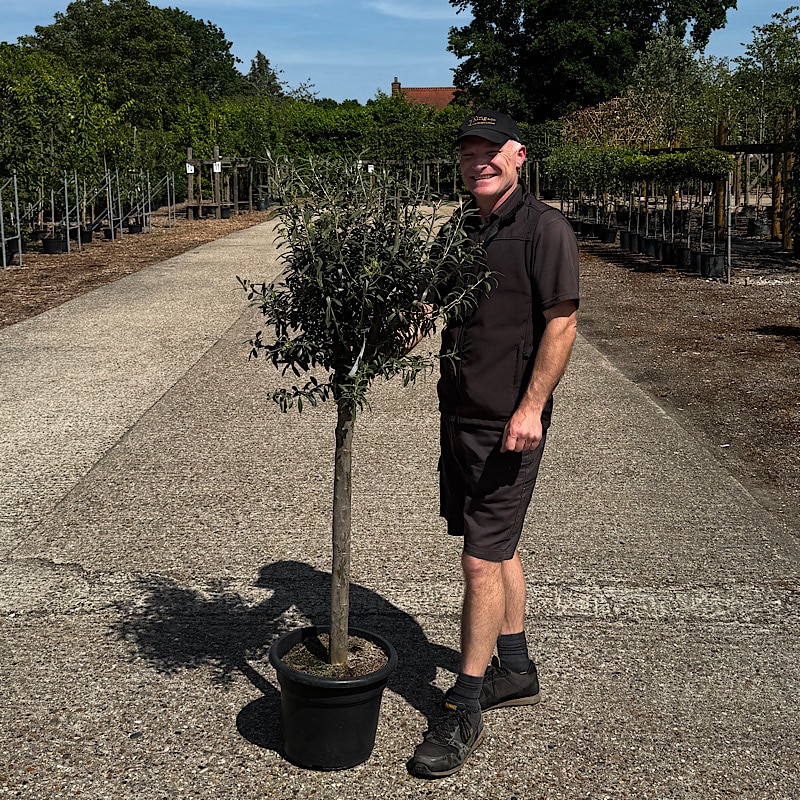
1/2 Standard: £99.00 inc VAT
2. Photinia. Reliable evergreens that provide excellent year round screening and structure, featuring striking red new growth. While half standards are ideal for small gardens, our espaliers are also excellent for limited landscapes as they minimise lateral spread. They are perfect for narrow borders, paths and walls!
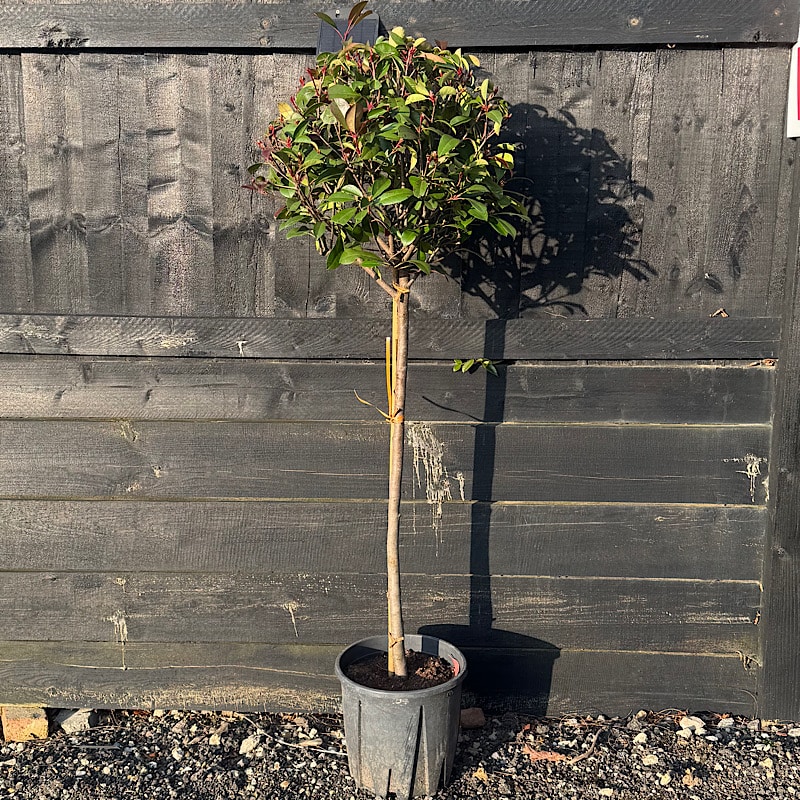
1/2 Standard. 40-50cm Ø head: £88.00 inc VAT
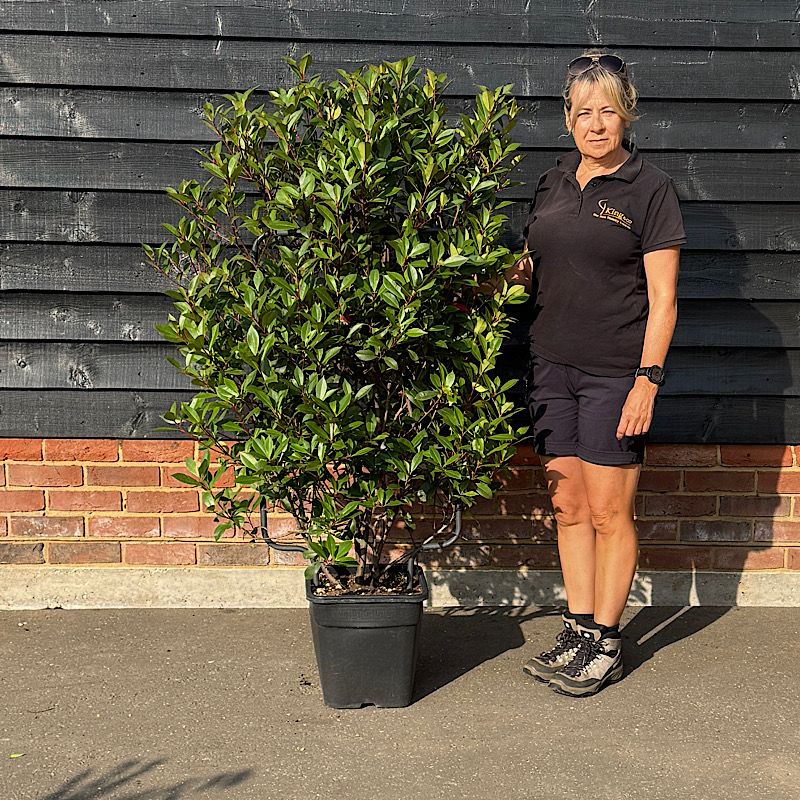
90cm x 50cm Espalier: £99.00 inc VAT
3. Bay (Laurus nobilis) is an excellent choice for formal or structured planting schemes. Their glossy evergreen leaves respond well to clipping, making them ideal for shaping and maintenance. As half standards, they work particularly well as structural focal points, framing doorways or punctuating long boundaries.
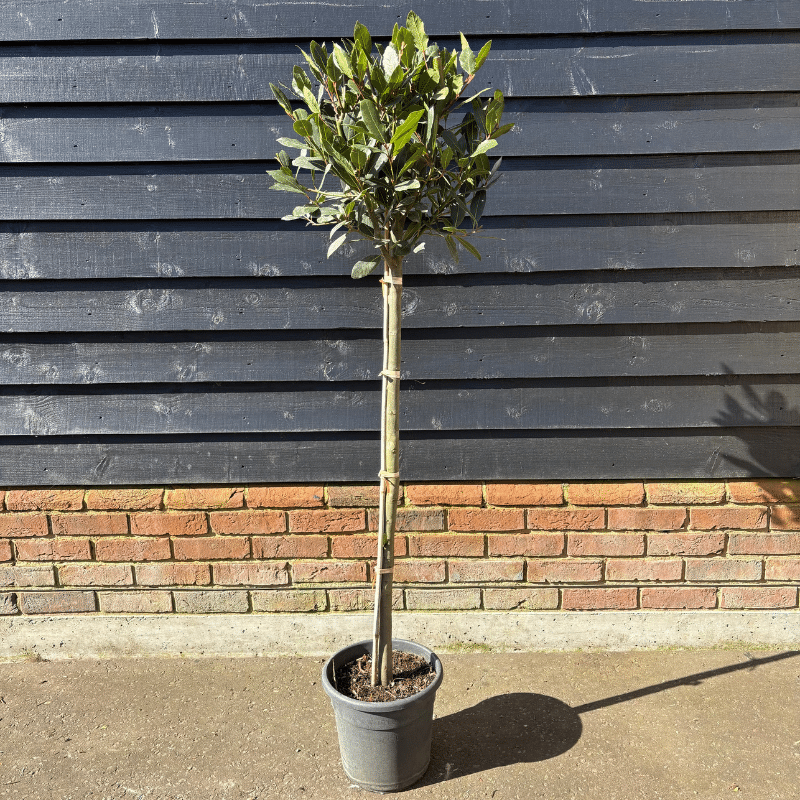
1/2 Standard: £79.00 inc VAT
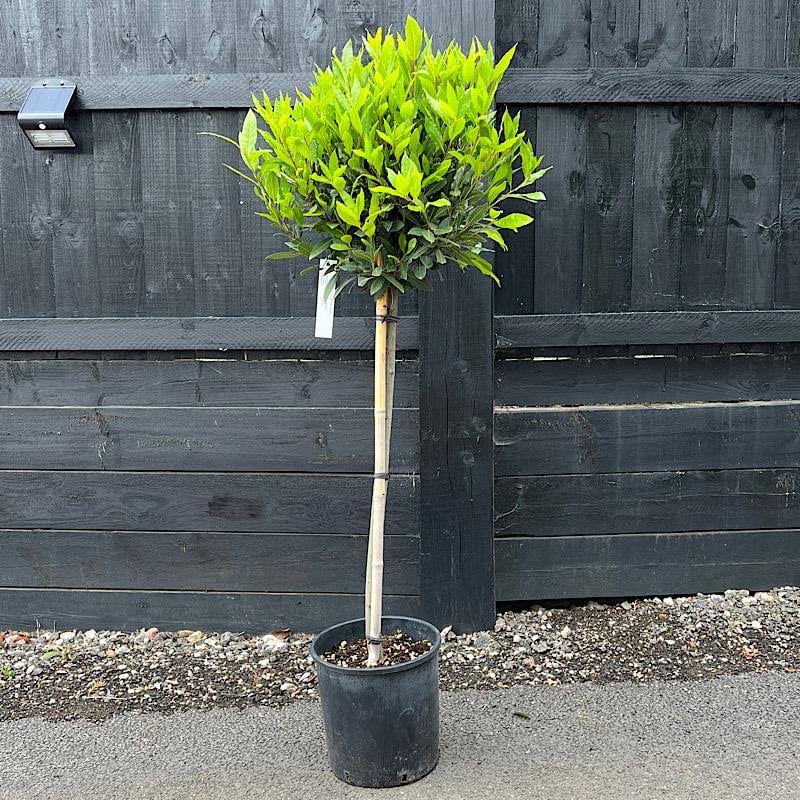
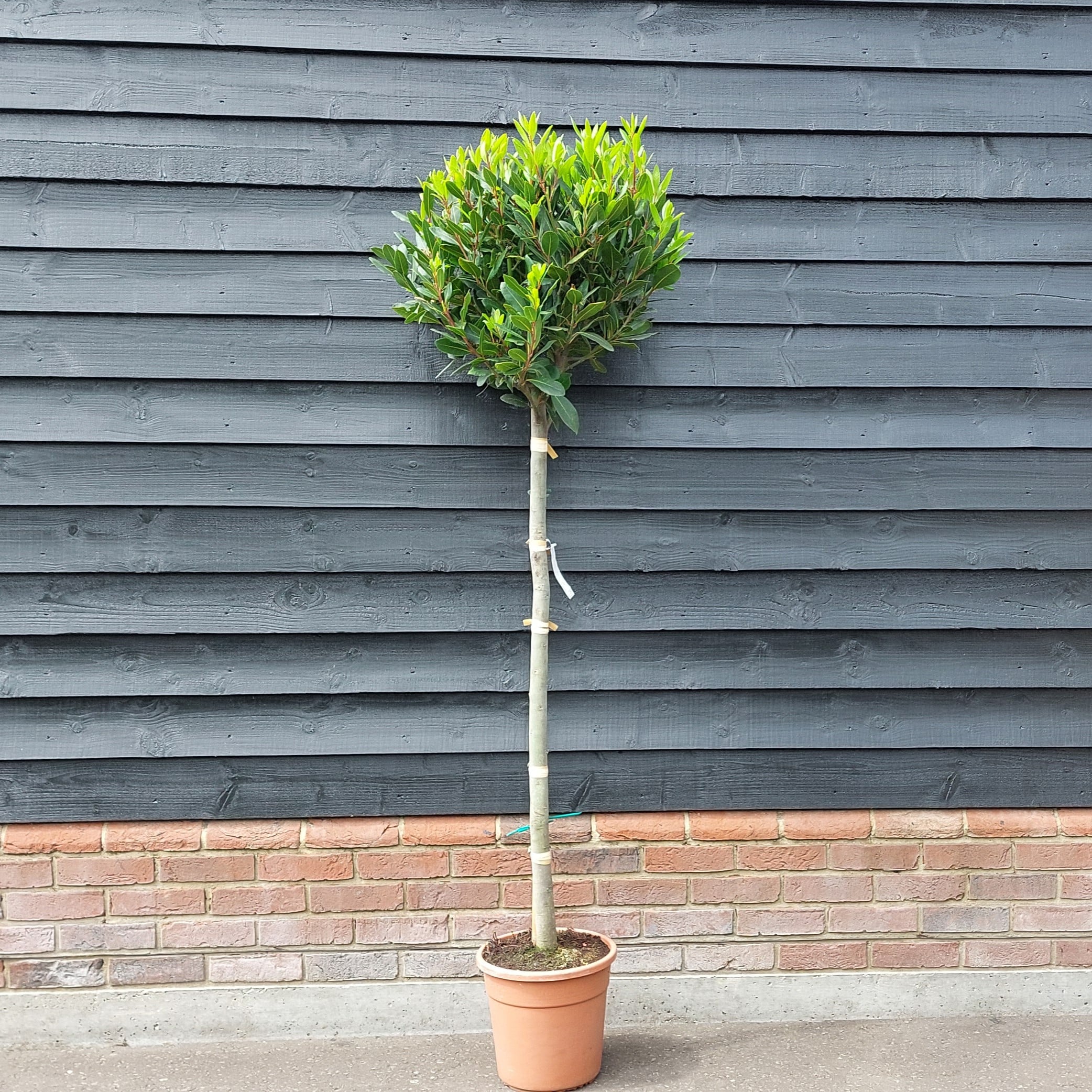
4. Salix caprea Pendula (Kilmarnock willow) has weeping branches that provide strong winter interest, and its graft-limited growth ensures a manageable size ideal for smaller gardens.
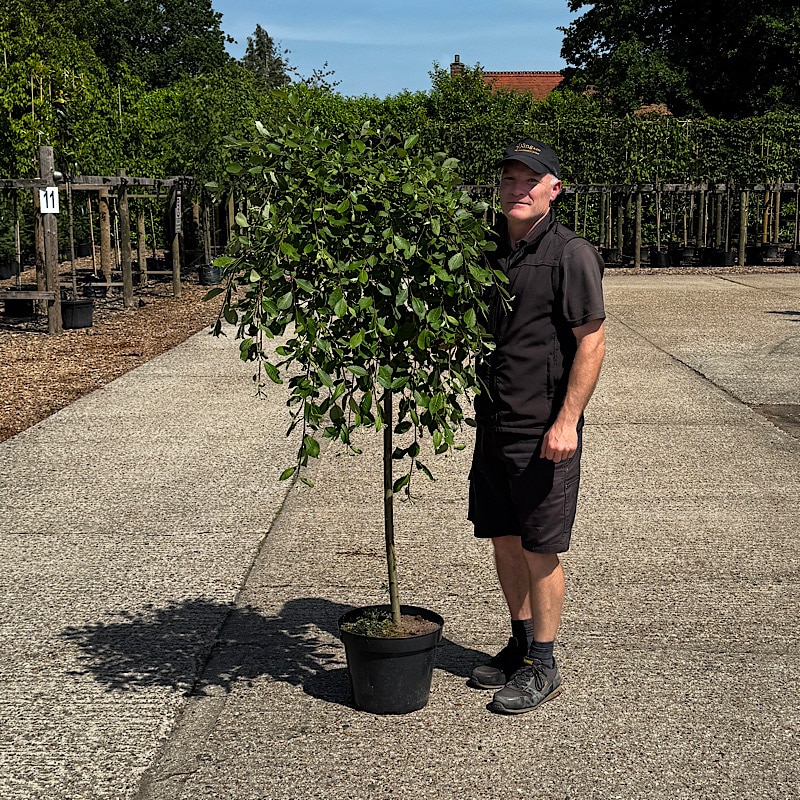
Kilmarnock willow (Salix caprea Pendula)
1/2 Standard: £65.00 inc VAT
5. Himalayan birch (Betula jacquemontii) offers striking white bark that provides year-round interest, especially in winter. Choosing the multi stem form naturally restricts the tree’s height and spread while maximising the visibility of its bright white bark and delicate canopy.
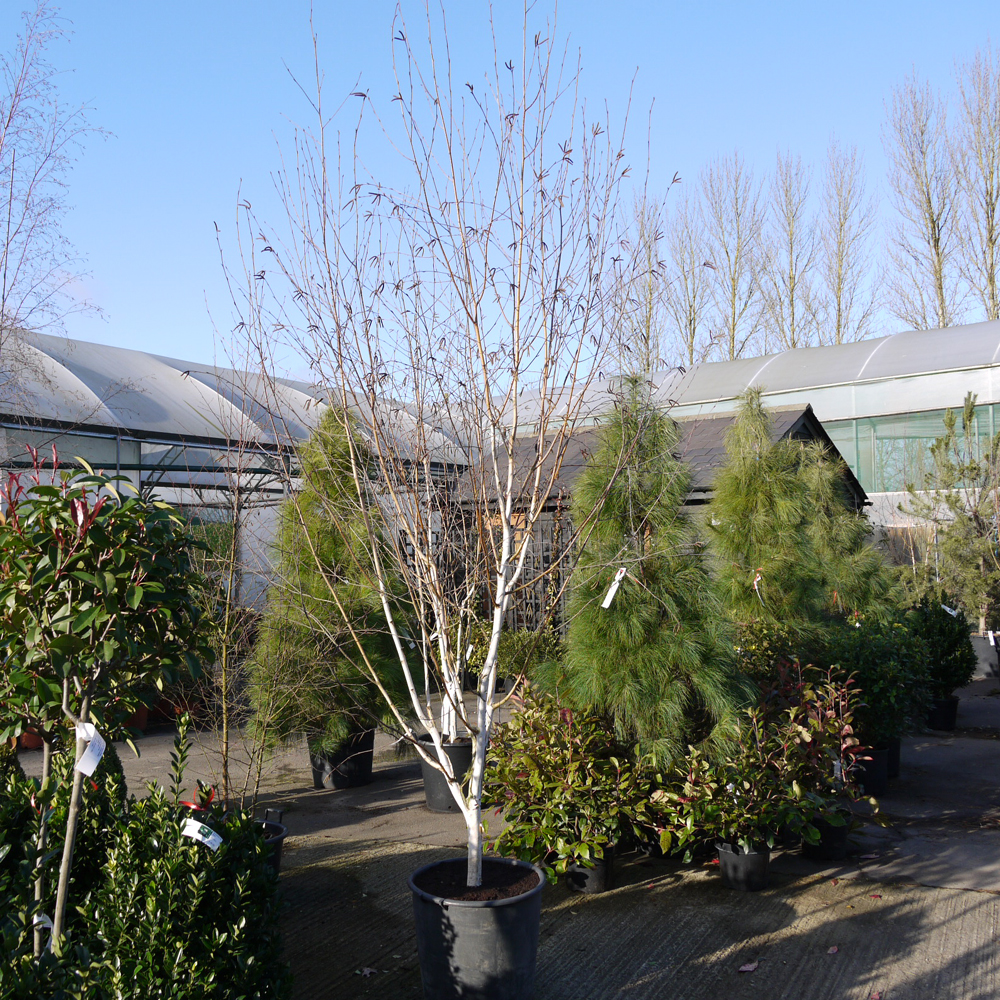
Himalayan birch (Betula jacquemontii)
Multi-stem. 2.75-3m tall: £268.00 inc VAT
In Summary, fitting trees into small gardens is less about limitation and more about intention. With the right selection you can create a garden that feels larger, more layered and more private without losing space.
Read More:
A Guide to Screening Trees: Is Photinia Good for Natural Privacy?
Bare Root Planting Tips: How to establish a native hedge on a tight budget
A Guide to Pleached Trees: How effective are Hornbeam at creating privacy?