Log In




Box has long been a favourite for formal hedging, topiary and garden structure. However, the rise of box tree caterpillar and box blight has left many gardeners looking for attractive, low-maintenance alternatives. Whether you’re replacing damaged plants or planning a new planting scheme, these box hedging alternatives provide excellent substitutes, offering a similar look while being less susceptible to the problems that affect box.
Why may you need to replace box?
There are two main reasons gardeners choose to replace box: box tree caterpillar and box blight. Both can cause severe damage, resulting in defoliation, unsightly brown patches and, in many cases, the death of the plant.
Box tree caterpillars are the larvae of the invasive box tree moth. They feed almost exclusively on box, rapidly stripping plants of their foliage before attacking the bark. Heavy infestations can leave hedges and topiary looking bare within a matter of weeks.
Box blight is a fungal disease that affects box plants, causing leaves to turn brown and fall prematurely. Dark black streaks develop on the stems, and repeated outbreaks can weaken or kill plants. Once established, the disease is difficult to eradicate, making replacement the most practical solution for many gardens.
The best alternatives to box
Fortunately, there are several excellent shrubs that provide a similar neat, evergreen appearance without the same susceptibility to box blight and box tree caterpillar.
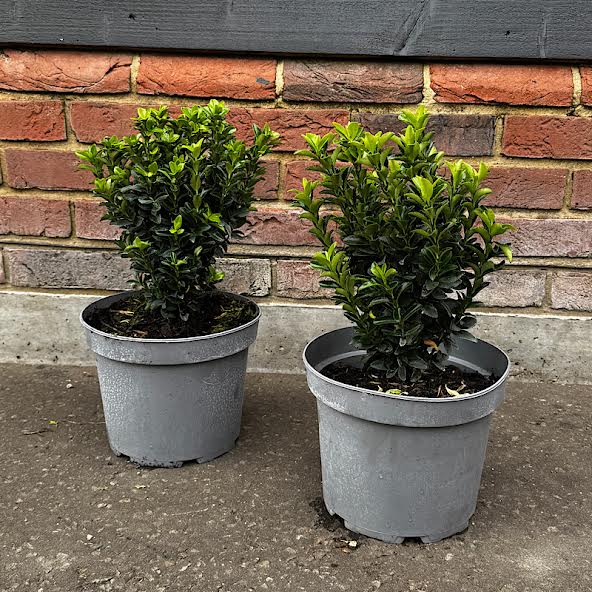
1. Euonymus ‘Jean Hugues’. Closely resembles box with its small, slightly serrated dark green leaves. ‘Jean Hugues’ also has a naturally compact, upright habit and responds exceptionally well to regular clipping. It is an excellent choice for dense hedging, formal gardens, edging and topiary.
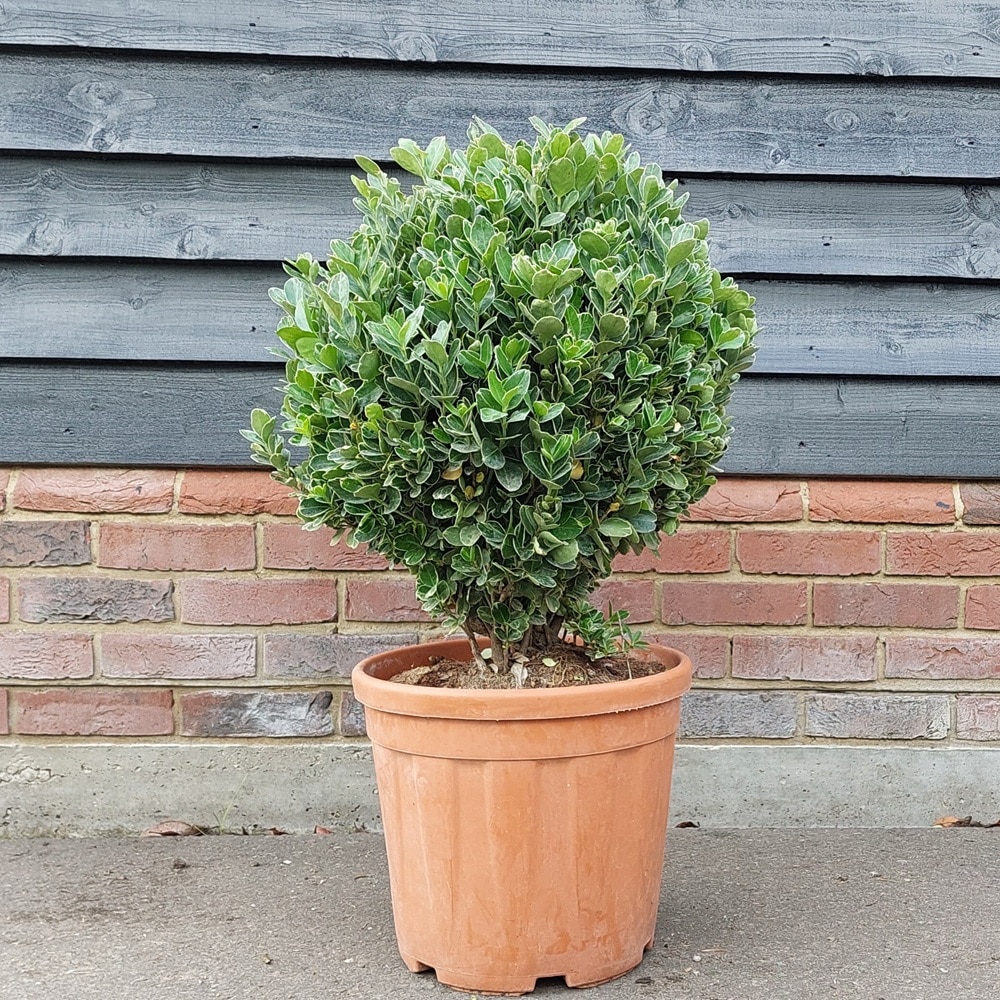
2. Euonymus japonicus ‘Albomarginatus’ offers dense, compact growth with attractive green leaves edged in crisp white. It clips neatly into formal shapes while bringing brightness and contrast to borders and pathways. A great choice if you’re looking to add a little more interest.
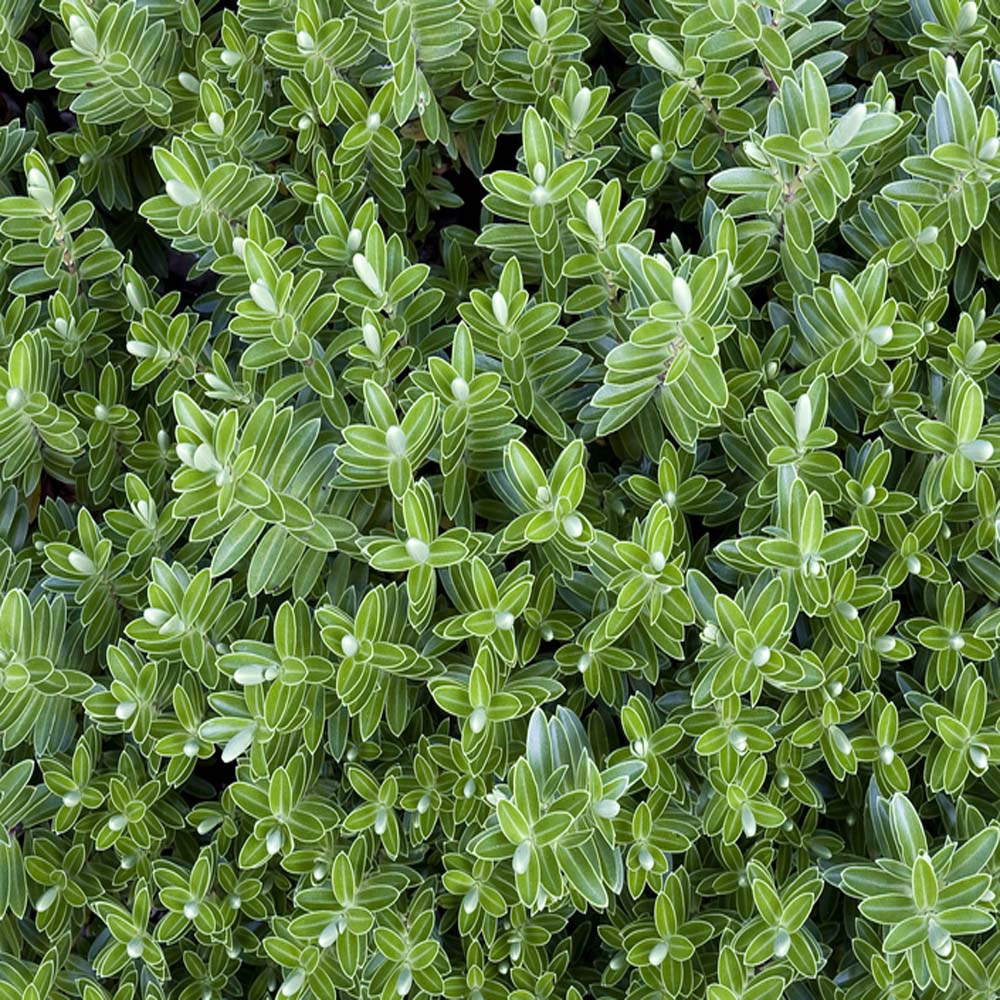
3. Hebe Sutherlandii forms naturally rounded mounds of fine grey-green foliage, making it ideal for informal low hedging or clipped shapes. Its silvery-blue tones and purple stems provide a softer look than box while still delivering year-round structure.
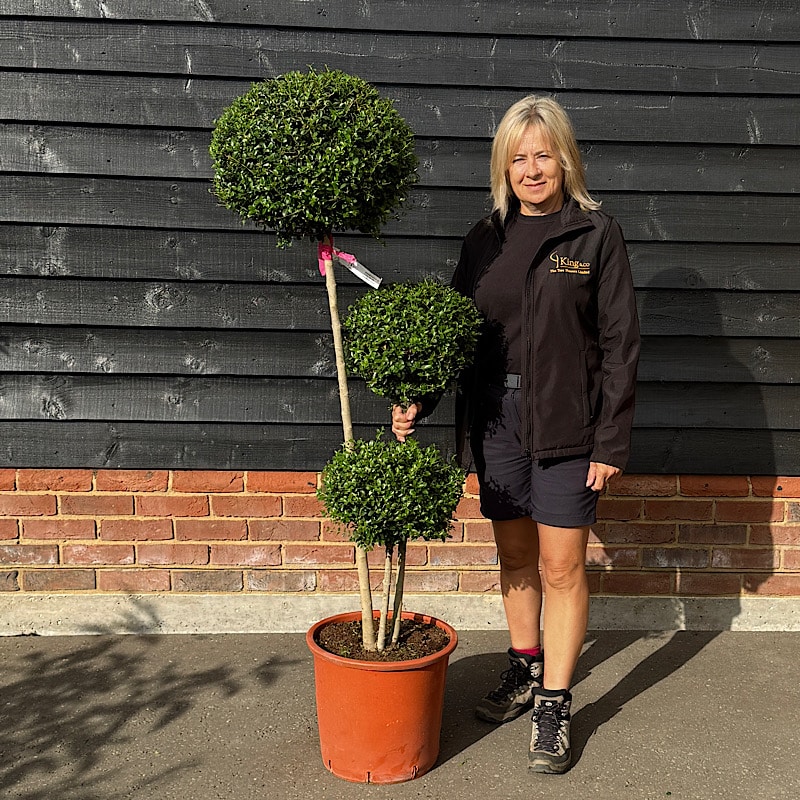
4. Ligustrum delavayanum has tiny, glossy dark green leaves and a naturally dense habit. It tolerates regular clipping exceptionally well and is widely used for low hedging, topiary and formal garden designs.