Log In




Focal point plants are a great way to deliberately draw the eye, create structure and prevent outdoor spaces from looking flat. Incorporating the right tree or shrub can instantly elevate your landscape, so we’ve rounded up some of our favourite options to inspire your next planting project!
What makes a plant a focal point?
Focal plants offer distinctive features that naturally draw the eye, from bold shapes and unusual foliage to seasonal colour and year round interest. Choosing plants with strong form, interesting texture or vibrant colour is an effective way to break up the visual monotony of their surroundings and create a more dynamic landscape.
Where should you position focal plants?
For the greatest impact, position focal plants in highly visible areas where they’ll naturally draw the eye. Place them at the end of a path to draw the eye, by entryways to create instant impact or in the center of beds to anchor the design.
Here are five versatile plants that make excellent focal points and bring character to a variety of garden styles.
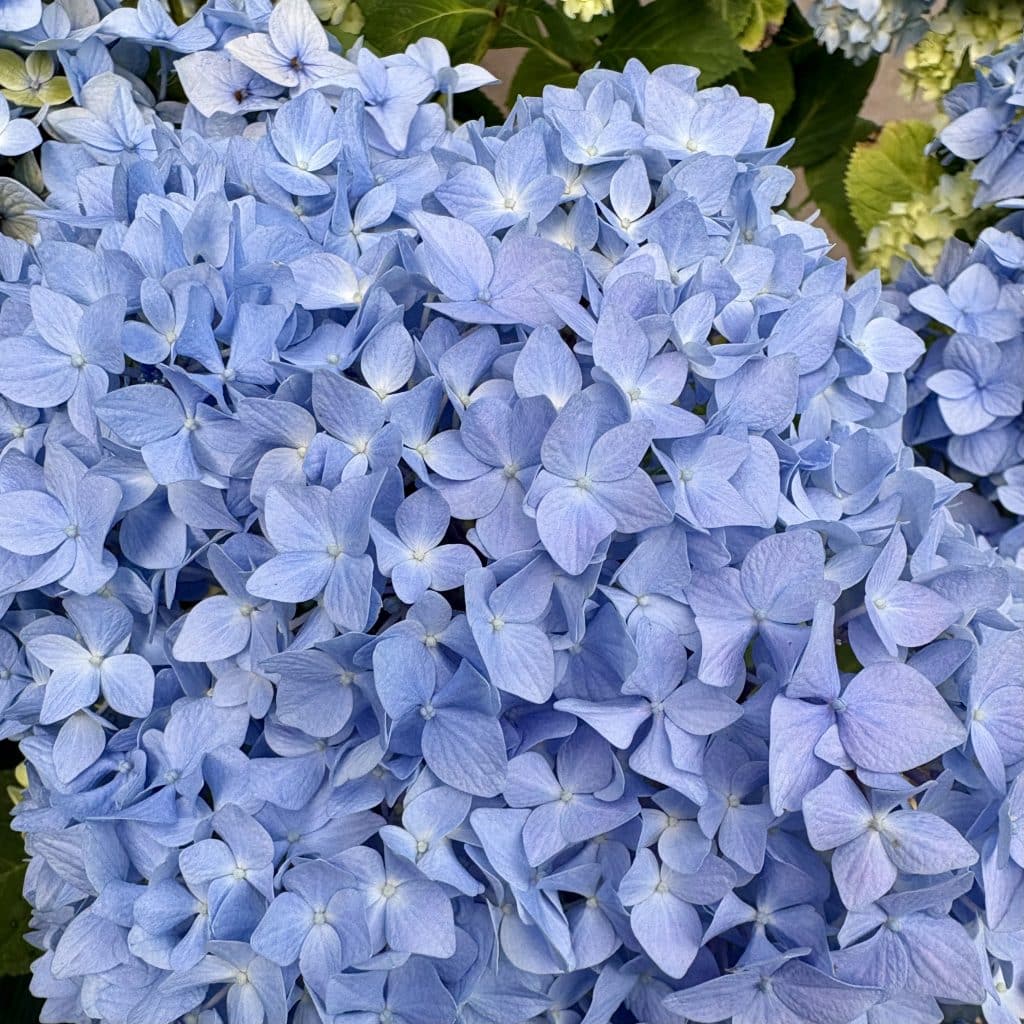
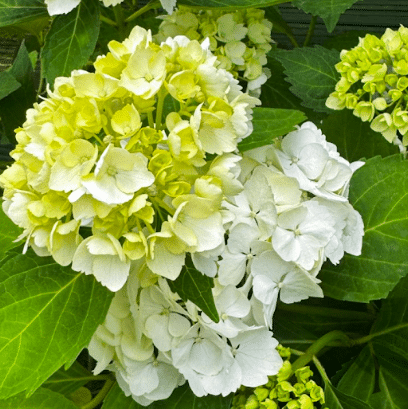
1. Hydrangea
Hydrangeas make excellent focal plants thanks to their large, showy flower heads and lush foliage, which add both color and texture to planting schemes. Thriving in partial shade, they are especially effective for brightening areas that might otherwise feel dark or overlooked.

2. Dogwood
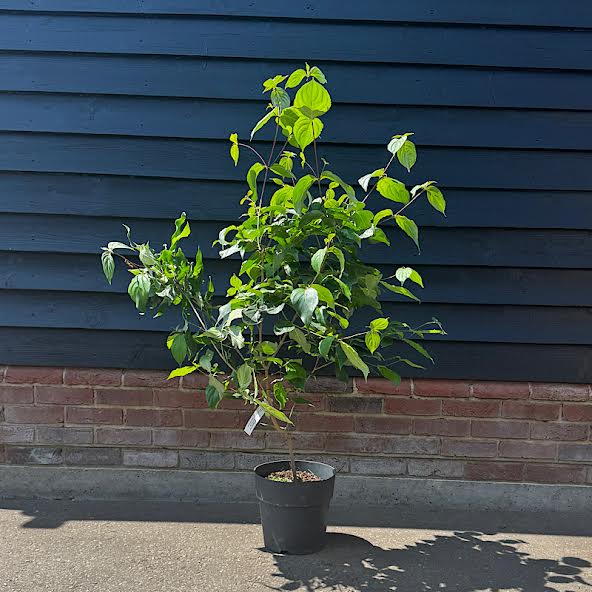
Dogwoods are excellent focal point plants thanks to their multi-season appeal. Depending on the variety, they offer colourful stems, attractive flowers, variegated foliage, vibrant autumn colour and distinctive branching habits. They are a great choice for structure and visual interest throughout the year.
‘Sibirica’ has vivid red winter stems that provide a striking splash of colour in the dormant months.
‘Kesselringii’ stands out with its deep purple-black stems, creating dramatic contrast and year-round interest.
‘Elegantissima’ offers interest across multiple seasons with elegant green and cream variegated foliage and colourful winter stems.
‘Midwinter Fire’ is renowned for its fiery stems in shades of yellow, orange and red, bringing colour to winter landscapes.
‘Flaviramea’ features bright lime-yellow stems that create a bold focal point during the colder months.
‘Chinensis’ makes an outstanding specimen tree thanks to its layered branching habit. It also has showy white bracts, rich autumn colour, and attractive bark that provides interest throughout the year.
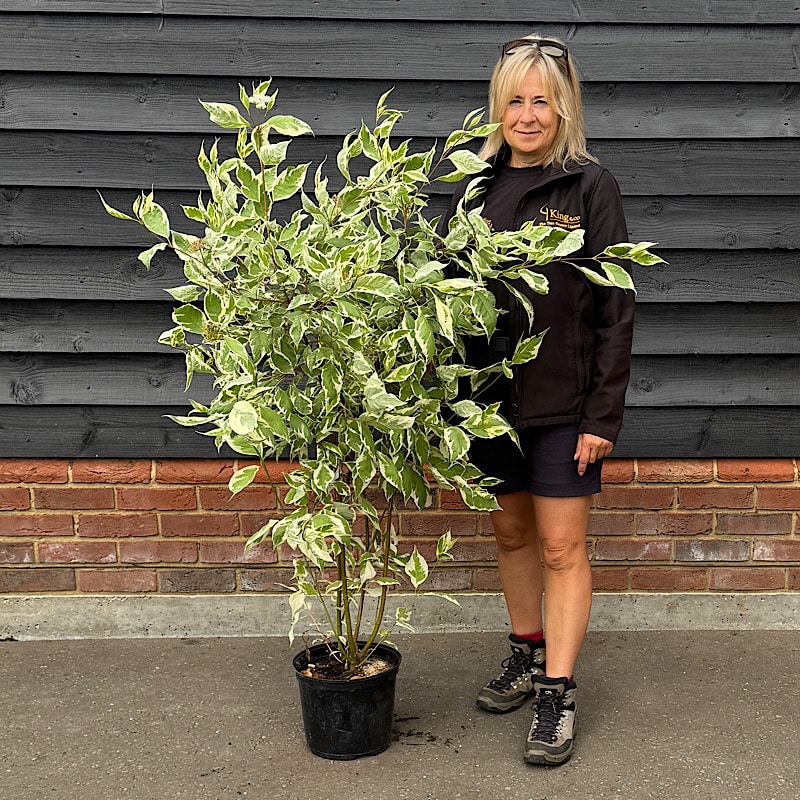
3. Euonymus japonicus ‘Albomarginatus’
Euonymus japonicus ‘Albomarginatus’ brings year-round structure and interest with its evergreen foliage and naturally upright, bushy habit. The creamy white leaf margins provide colour and contrast throughout the seasons, while its dense growth adds reliable form to planting schemes. It also responds well to pruning, making it equally suited to clipped, formal shapes or a more relaxed, natural silhouette.
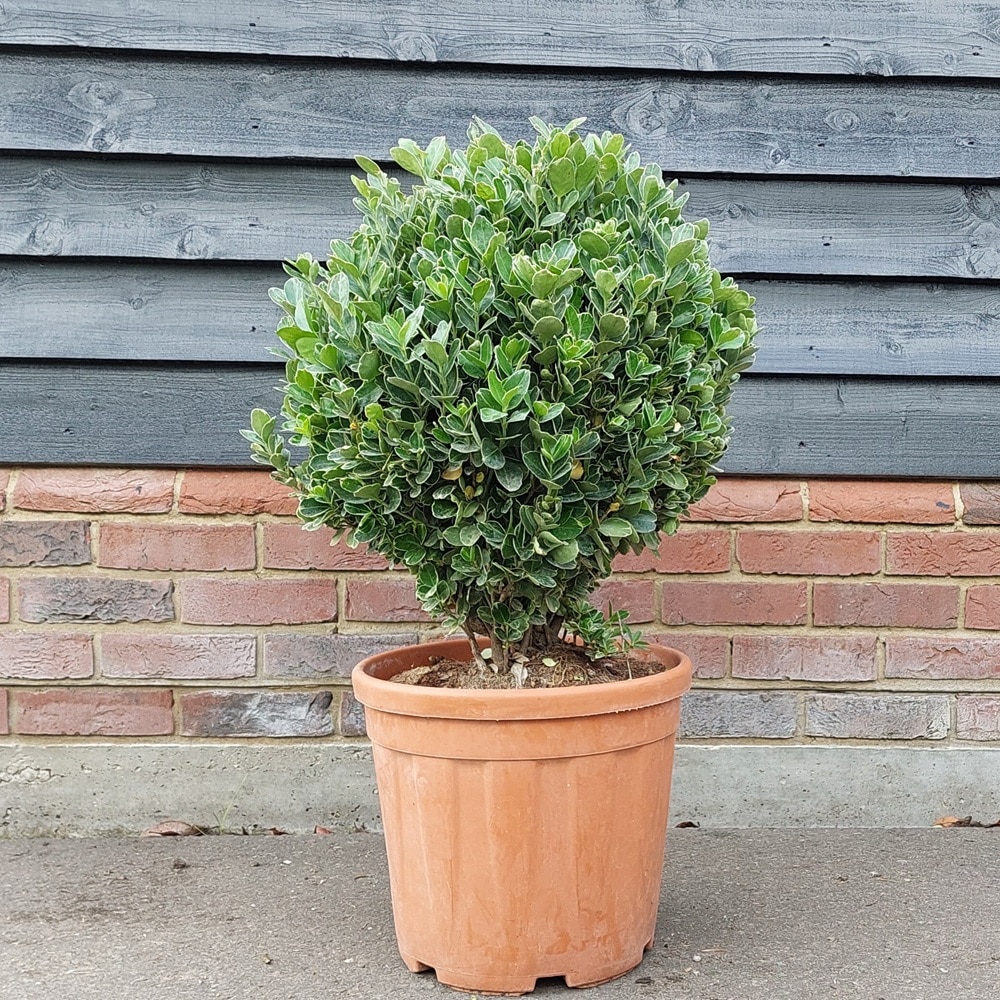
4. Pyracantha
Pyracantha is great for boundaries, walls and trained features. When grown against a structure, it can create a dramatic vertical display, while its thorny branches also provide valuable shelter for garden birds. With careful pruning, Pyracantha can be shaped into a formal specimen or allowed to create a more natural, wildlife-friendly feature.

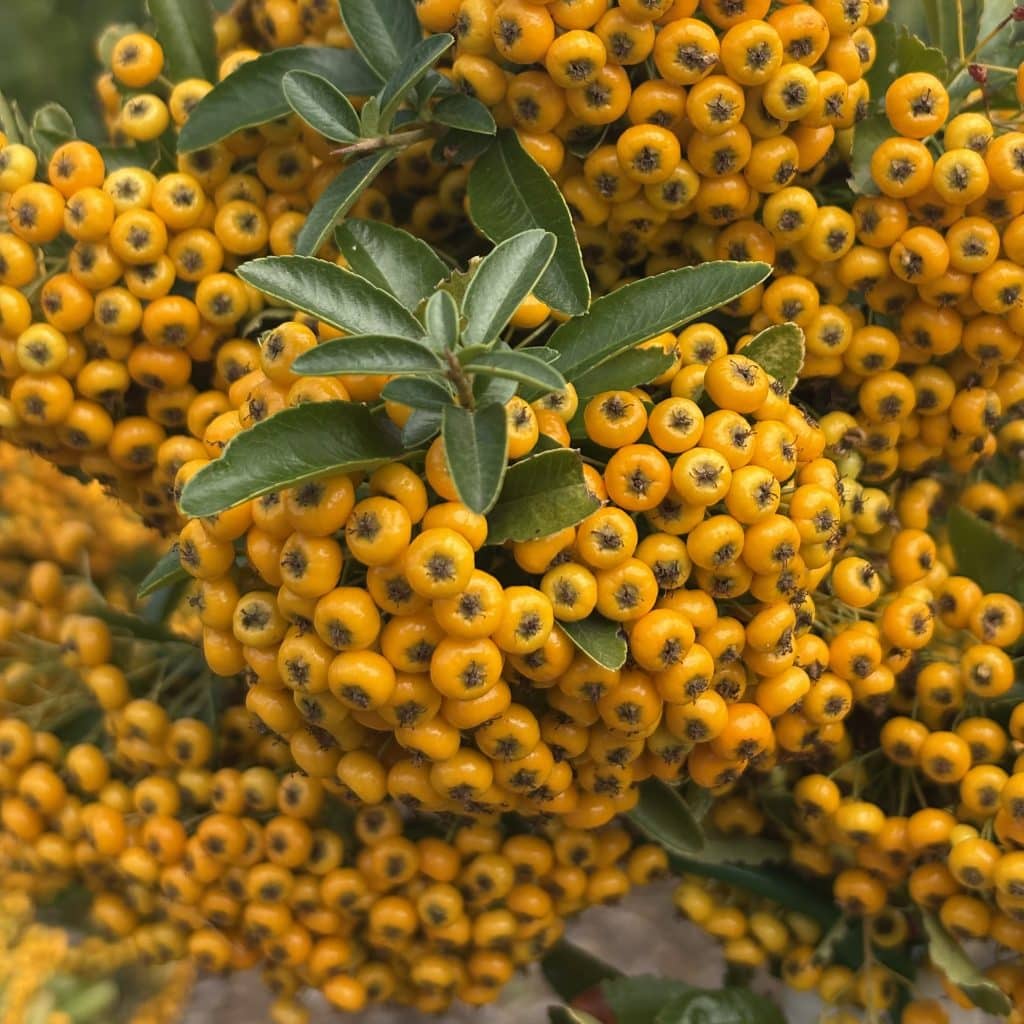
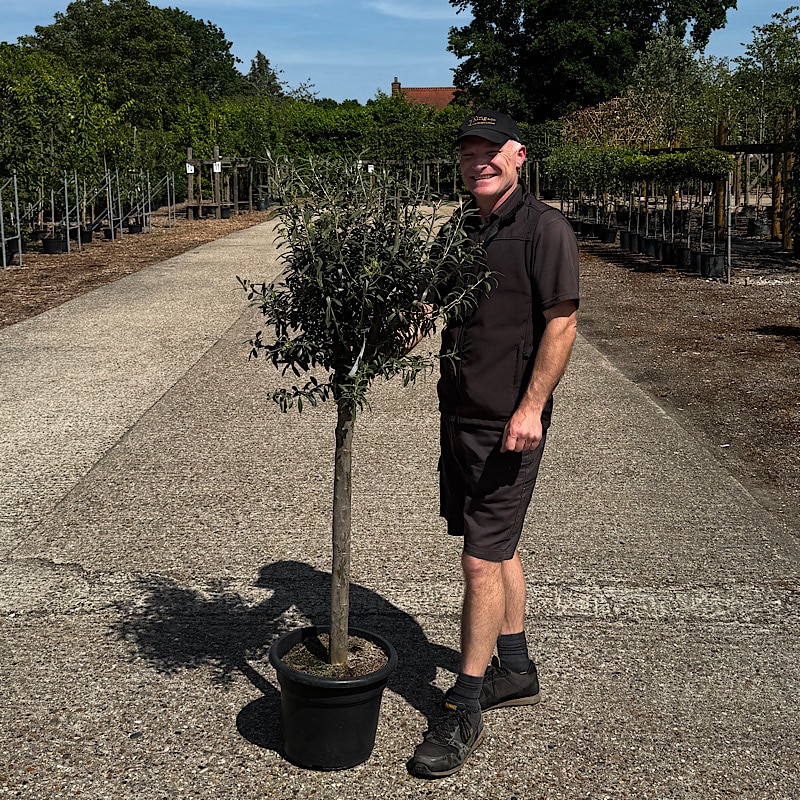
5. Olive
Olives make striking focal plants thanks to their silvery evergreen foliage, sculptural trunks, and graceful branching, creating year-round structure whether planted in the ground or displayed in a large container.