Log In




Understanding Low Maintenance Trees
Low maintenance trees are an increasingly popular choice for busy homeowners, urban gardeners, property developers and anyone looking to create an attractive outdoor space without the need for constant upkeep. In this guide, we’ll explain what makes a tree low maintenance, explore the benefits of planting one and highlight some of our favourite varieties for gardens and landscapes of all sizes.
What defines a low maintenance tree?
While every tree requires some level of care, maintenance needs can vary significantly depending on the species, growing conditions, and the experience of the person planting and managing it. As a general rule, low-maintenance trees tend to be slow to moderate growers with a naturally compact habit. These characteristics help minimise the need for regular pruning and reduce the likelihood of a tree outgrowing its space.
Before planting, it’s important to consider:
- The tree’s mature height and spread
- Available growing space
- Soil type and drainage conditions
- Sunlight requirements
- Proximity to buildings, boundaries and utilities
Selecting a tree that is well suited to its environment is one of the most effective ways to reduce future maintenance requirements!
What are the benefits of planting a low maintenance tree?
1. Time Saving. Low maintenance trees generally require less pruning, shaping and ongoing care, making them ideal for busy homeowners.
2. Reduced Long-Term Costs. By choosing a tree that remains proportionate to its surroundings, you can avoid costly remedial pruning and reduce the need for professional intervention as the tree matures.
3. Better Suitability for Smaller Spaces. Many low maintenance varieties have compact growth habits, making them well suited to smaller gardens, courtyards and urban environments.
Top Picks for Low Maintenance Trees
Portuguese laurel (Prunus lusitanica). A versatile evergreen tree with glossy dark-green foliage and an elegant, compact form. Portuguese laurel generally maintains an attractive shape with minimal pruning.
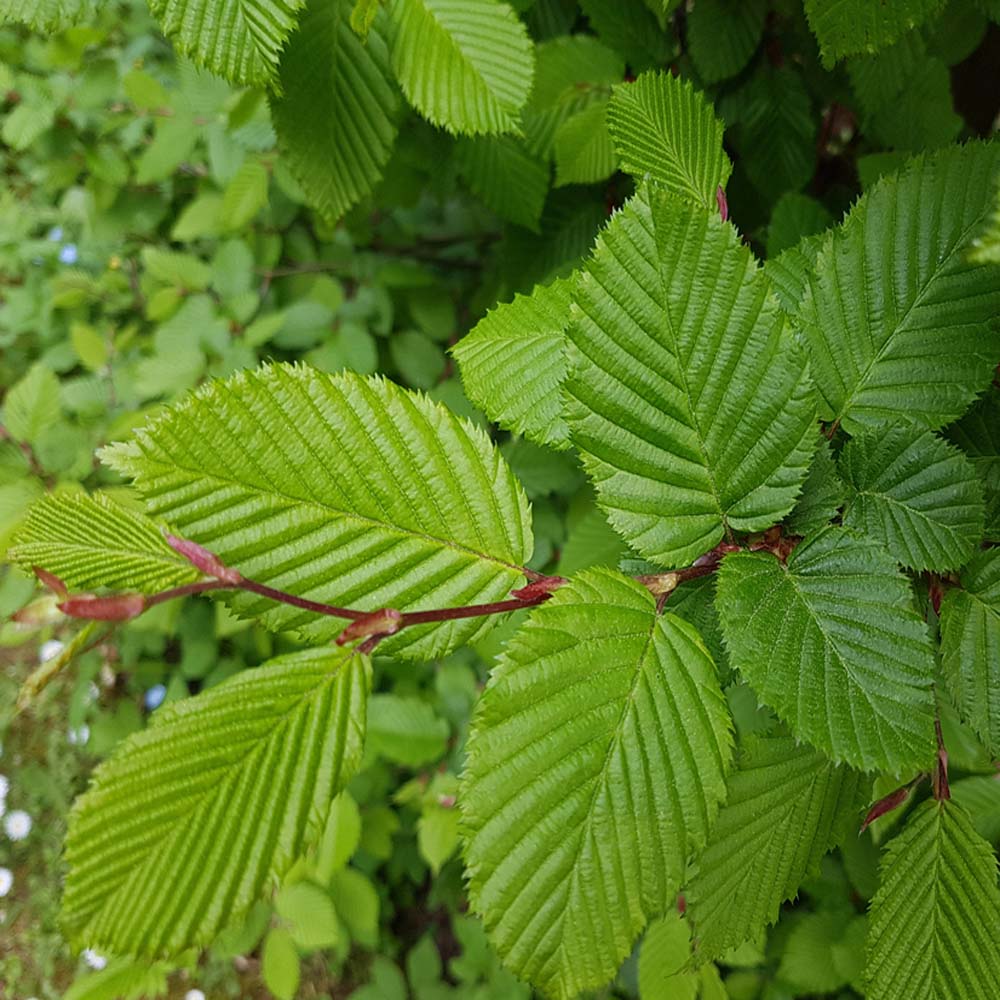
Carpinus betulus ‘Frans Fontaine’ (Hornbeam variety). This narrow, upright cultivar is perfect for gardens where space is limited. Its columnar shape requires very little maintenance while providing excellent seasonal interest.
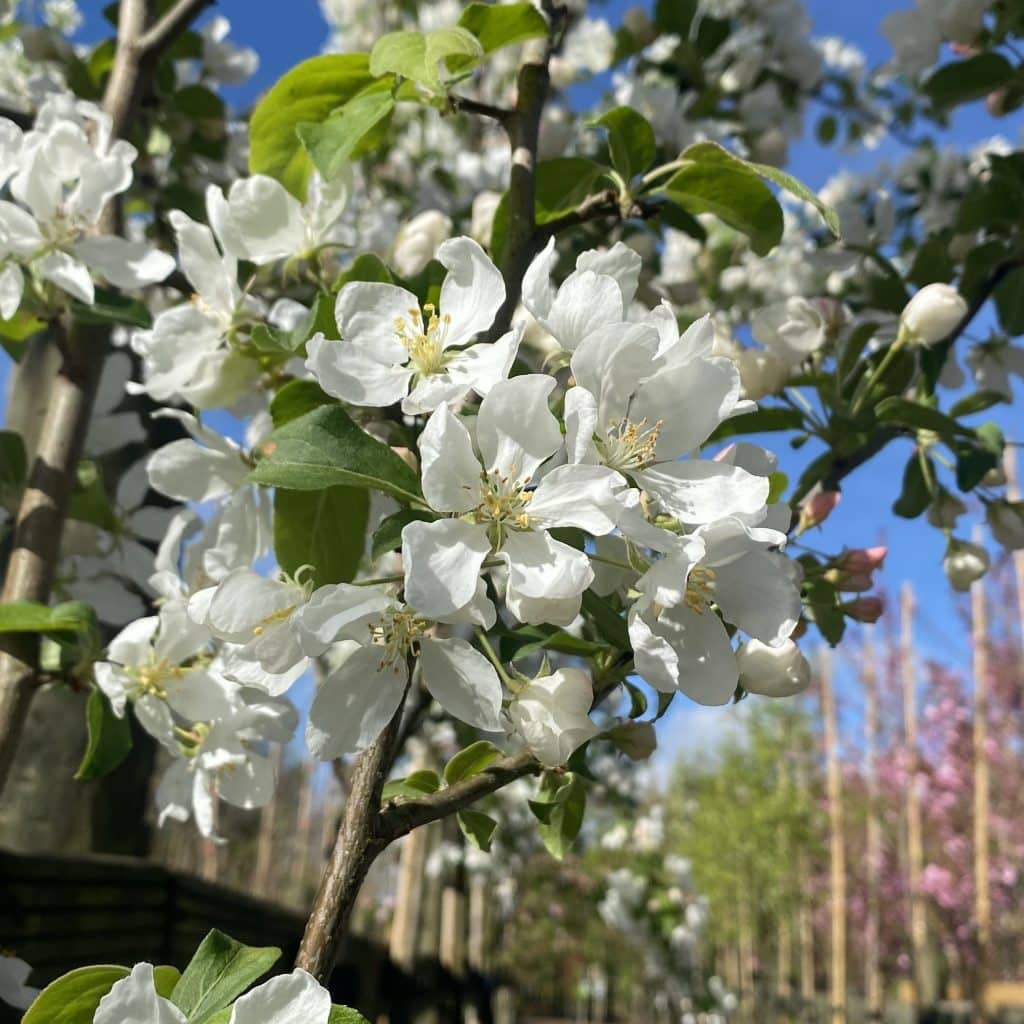
Malus ‘Street Parade’ (Crab apple variety). A compact ornamental crab apple producing attractive spring blossom followed by decorative fruits. Its manageable size and tight, narrow, upright crown make it excellent for streets or small gardens.
Prunus ‘Snow Goose’ (Ornamental cherry variety). An elegant flowering cherry with a slender growth habit and masses of pure white blossom in spring. Ideal for smaller gardens and urban planting schemes.
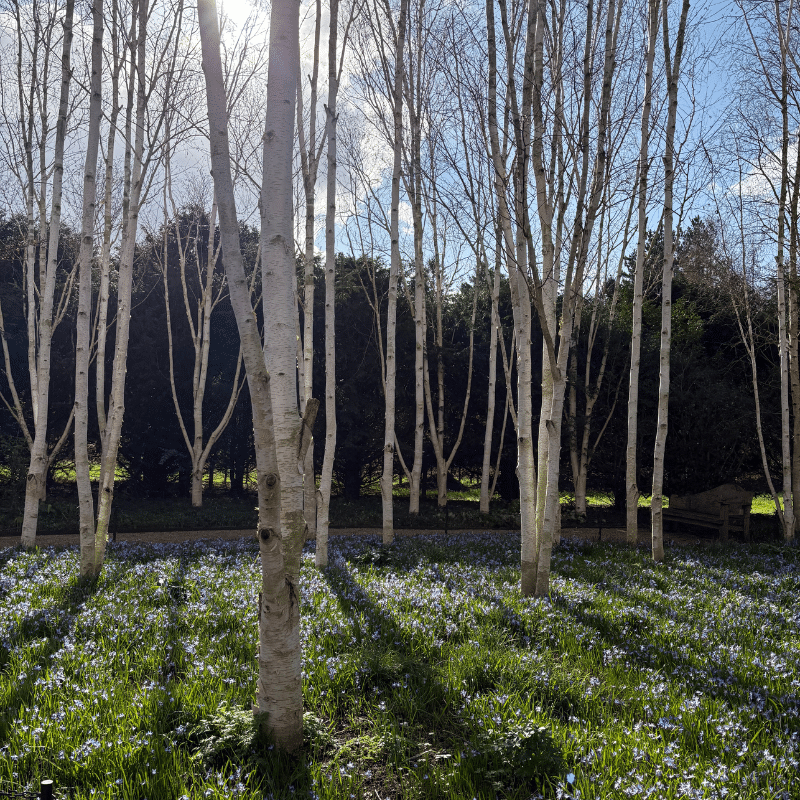
Himalayan birch (Betula jacquemontii). Renowned for its striking white bark, this beautiful birch delivers year round interest with little maintenance beyond occasional formative pruning.
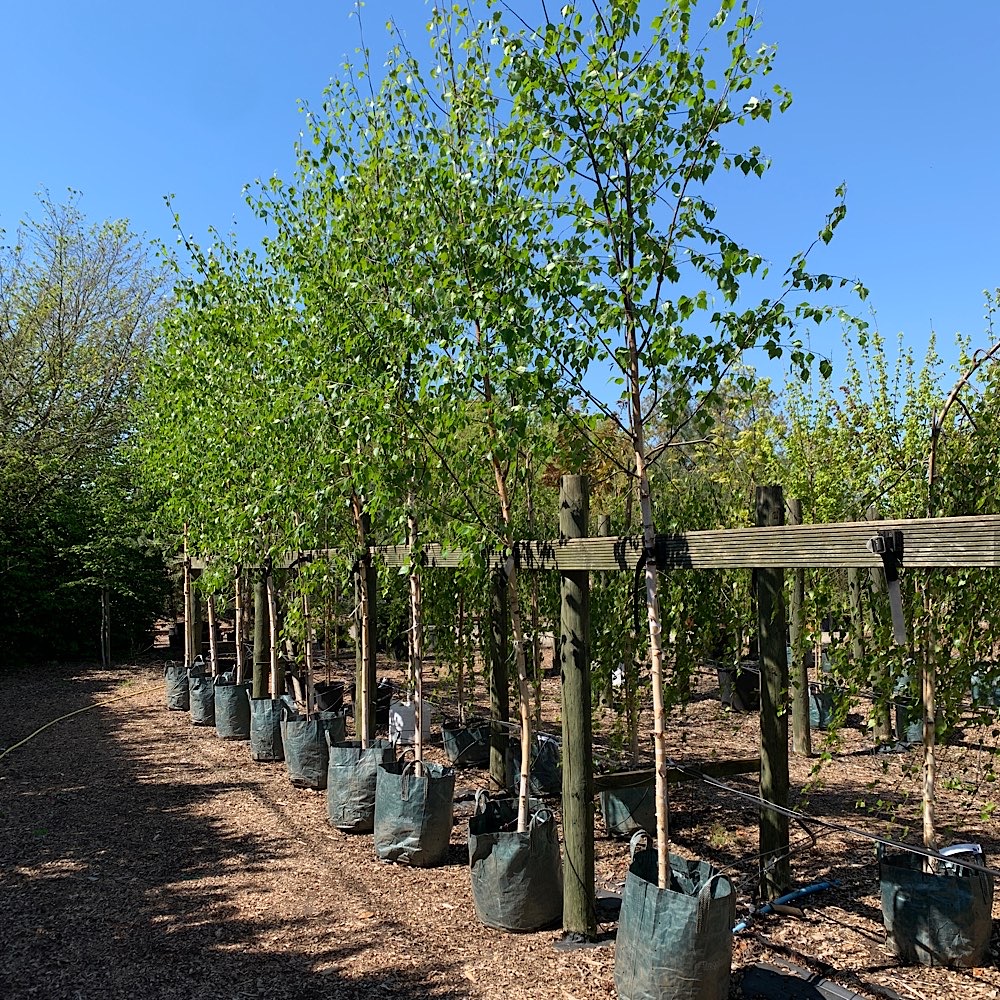
Silver birch (Betula pendula). One of the UK’s most recognisable native trees, silver birch is graceful, adaptable and easy to grow. Its light canopy and elegant form require minimal ongoing management.
Caring for Low Maintenance Trees
While low maintenance trees require less attention than many other varieties, a little care during the establishment period will help ensure they thrive for years to come. The main things to consider are:
Watering. Regular watering is essential during for the first few growing seasons after planting. Once established, many low maintenance trees only occasional watering during prolonged dry spells.
General maintenace. Maintaining a weed and grass free circle around the base of the trees helps to remove competition for water and nutrients. You can also be in the practice of applying a layer of mulch around the base of the tree. This helps to retain soil moisture, suppress weeds and improve soil health. Be sure to keep mulch clear of the trunk to prevent moisture related issues.
Pruning. One of the key advantages of low maintenance trees is that they require very little pruning. Occasional removal of dead, damaged or crossing branches is usually all that is needed to maintain a healthy structure and attractive appearance.
For more tips check out our Tree Care Guide!
Budget-Friendly Options
Whether you’re looking to create an instant impact or are happy to watch your tree mature over time, we stock low maintenance trees in a wide range of sizes to suit every project and budget.
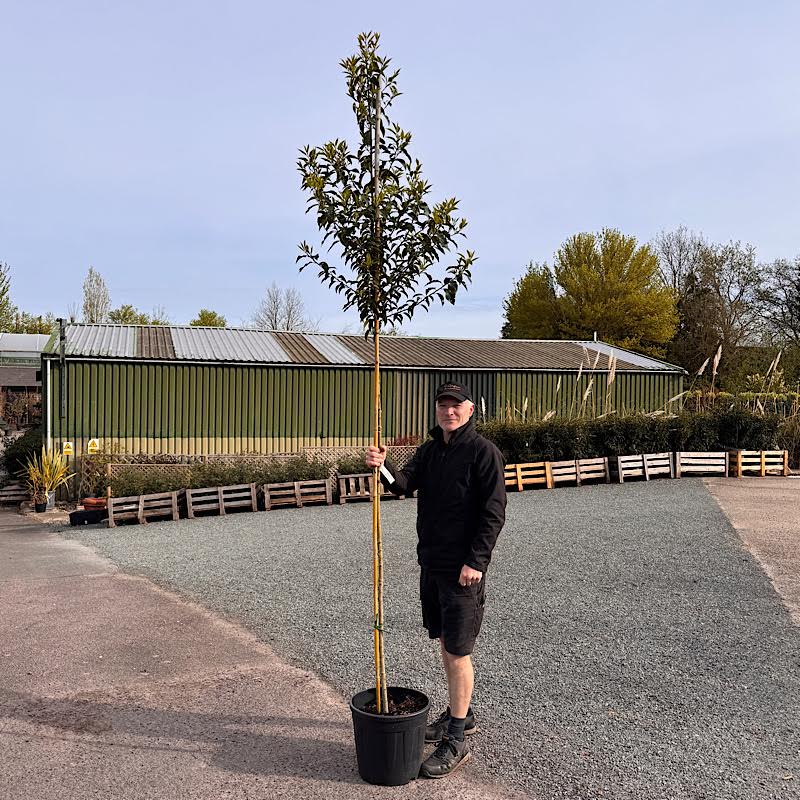
For customers seeking immediate results, our semi-mature trees are typically supplied at heights of 3-3.5 metres, providing an established appearance from day one. These larger specimens are ideal for landscaping projects, new build developments and homeowners looking to enhance their garden quickly.
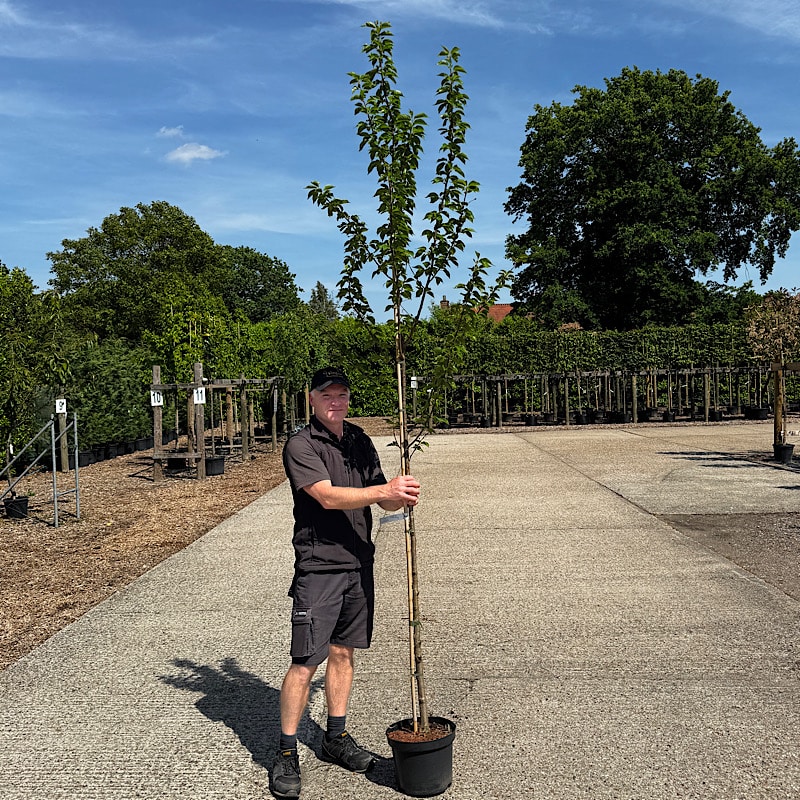
For those working with a smaller budget, we also offer younger trees in 10 litre containers, which are typically supplied at heights of approximately 1.75-2 metres. These trees represent excellent value for money and, with proper care, will quickly establish and grow into impressive specimens.
By offering a broad range of tree sizes, we can help customers find the perfect low-maintenance tree regardless of budget, garden size or project requirements.
Choosing the right tree from the outset can save considerable time and effort in the years ahead. By selecting species that are naturally compact, well suited to their environment and slow to moderate in growth, you can enjoy the benefits of trees while keeping maintenance requirements to a minimum.