Log In




Learning how to choose the right tree for your garden is the first step toward creating a healthy, attractive landscape. Selection involves more than just aesthetics; the size of your garden, soil type, light conditions and the surrounding environment all play a critical role in determining which species will thrive. By matching the right tree to these specific conditions, you can encourage healthy growth, reduce maintenance and ensure your tree flourishes for years to come.
How to decide
Before choosing a tree, take a few moments to assess the conditions of your garden. Considering the factors below will help you identify the species best suited to your space.
Focus on…
1. Garden Size. Consider the available space.
2. Garden Settings. Think about your surroundings.
3. Light conditions. Assess how much sunlight the planting area receives.
4. Soil Type. Understand your soil conditions.
Garden size
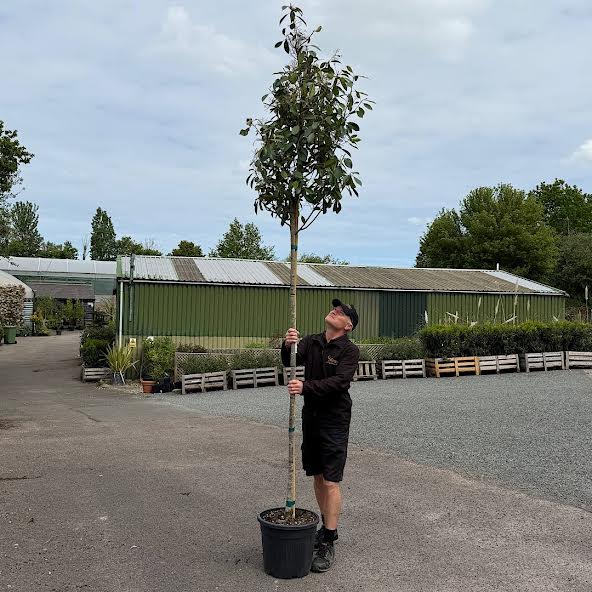
When choosing your new tree, it is important to select a species that is in proportion to the available space. This will help ensure it does not overshadow, crowd or eventually outgrow the garden.
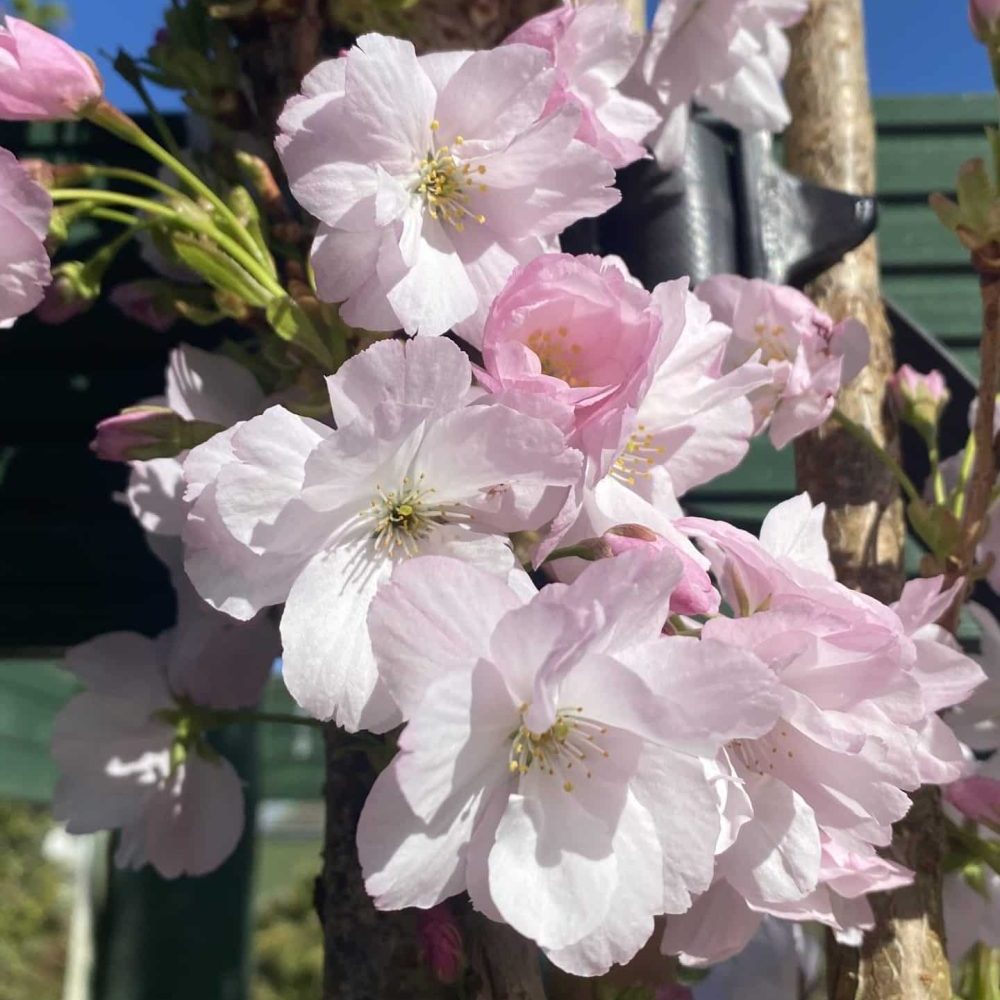
Smaller gardens. Trees with a naturally compact habit are ideal for limited spaces. Suitable choices include Amelanchier, ornamental cherry and Cotoneaster, to name a few.
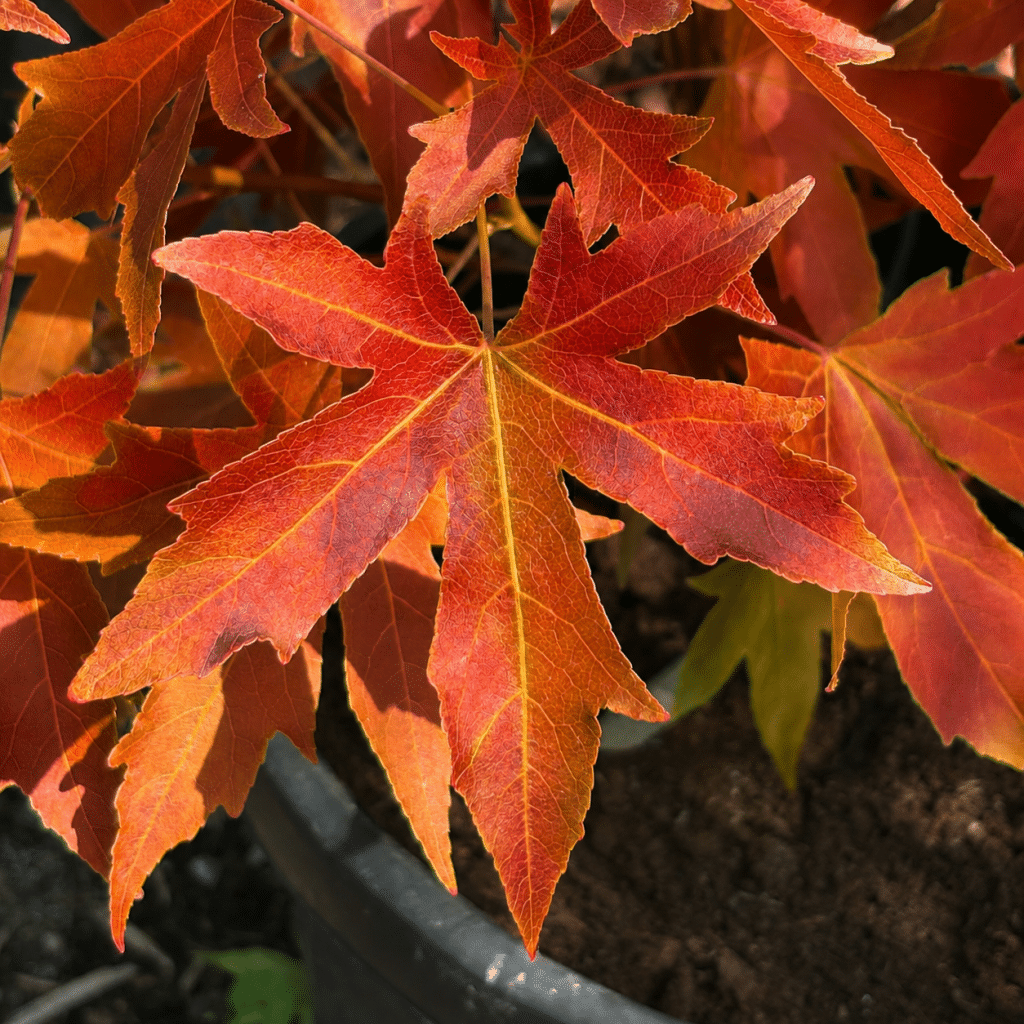
Medium-sized gardens. These can accommodate a wider range of tree species, offering enough space for trees with a moderate mature height and spread to develop naturally. Suitable choices include Himalayan birch, Liquidambar and fruit trees on semi-dwarfing rootstocks.
Larger gardens. More generous spaces provide the opportunity to plant larger canopied trees that create a striking focal point. Smaller trees can sometimes appear out of scale when planted as isolated specimens, so grouping several of the same species in a loose triangular arrangement can create a fuller, more impactful feature.
Garden Setting
It is important to consider the surrounding environment as well as the available space when choosing a new tree. Different garden settings present different growing conditions, so selecting species that are well suited to the site will help ensure healthy growth and long-term performance.
Urban. Urban gardens often benefit from species that tolerate pollution and confined growing conditions. Malus ‘Street Parade’ and Prunus ‘Snow Goose’ feature narrow, upright crowns, making them excellent choices for restricted spaces and street planting.
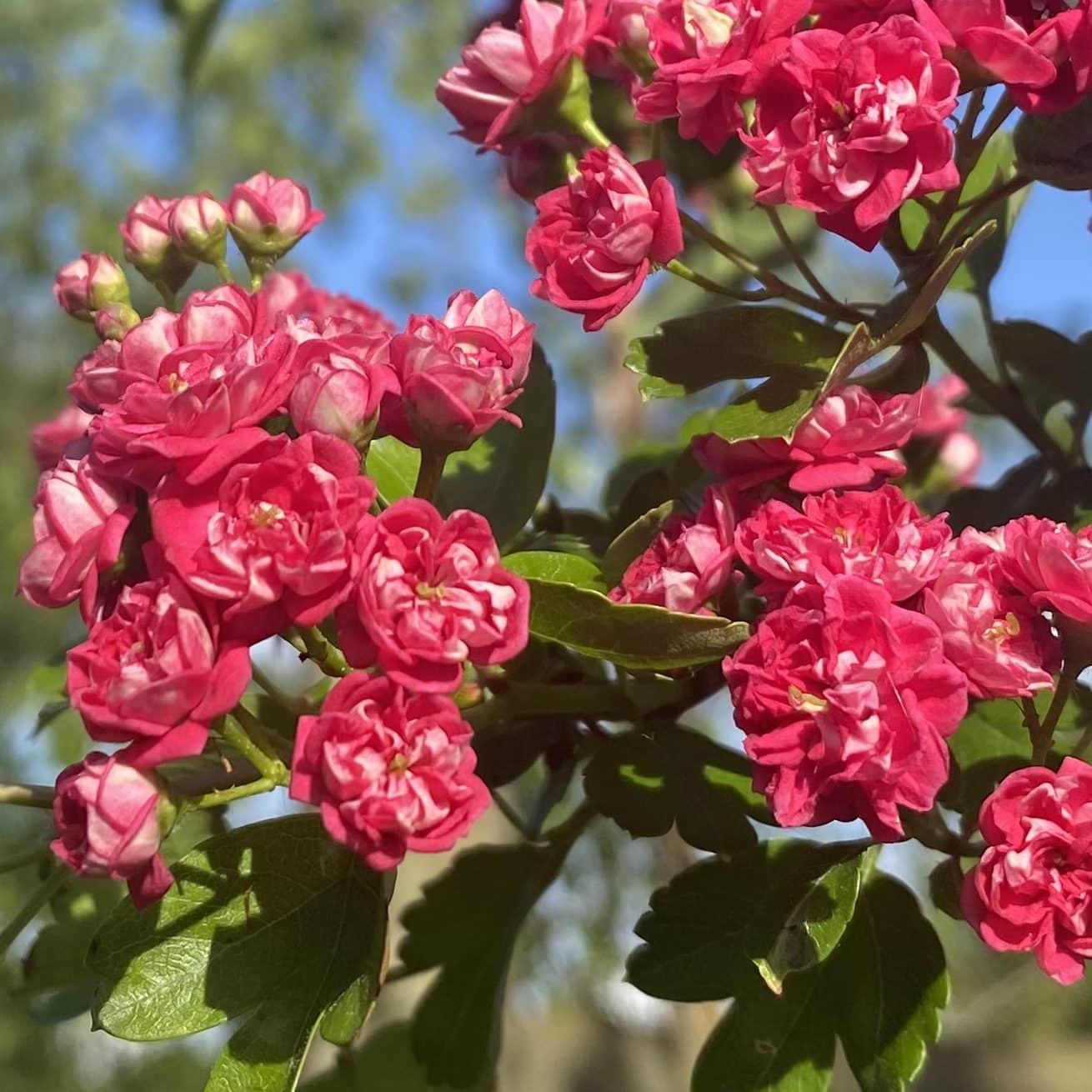
Coastal. Coastal gardens require trees that can withstand exposure to strong winds and salt-laden air. Quercus ilex, Crataegus ‘Paul’s Scarlet’ and Sorbus aria ‘Lutescens’ are all excellent choices, as they are highly resilient to exposed coastal conditions.
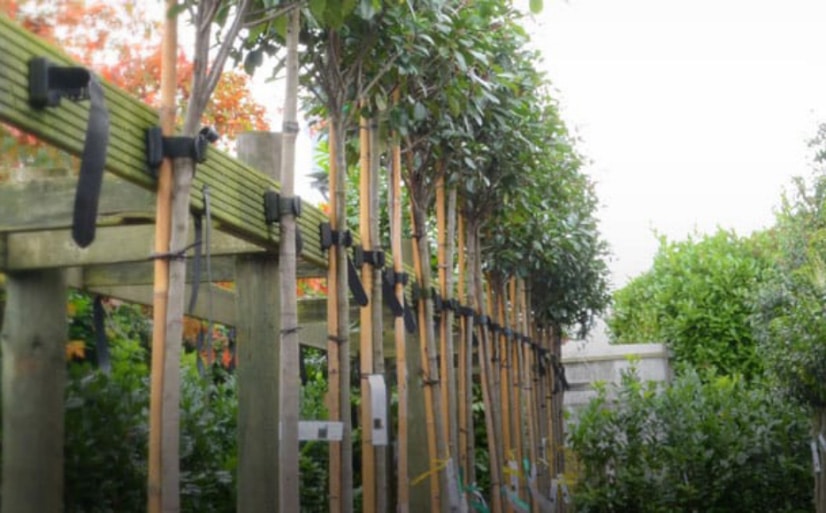
Overlooked gardens. Consider trees with a dense or evergreen habit that can be planted at regular intervals to create an effective, uninterrupted screen. Popular choices include Photinia ‘Red Robin’, Cherry laurel and Portuguese laurel.
Light Conditions
Consider how much sunlight the planting site receives throughout the day. Some species require full sun, while others are well adapted to partial shade or even heavily shaded locations. Selecting trees that are suited to the available light will help them establish well and perform at their best.
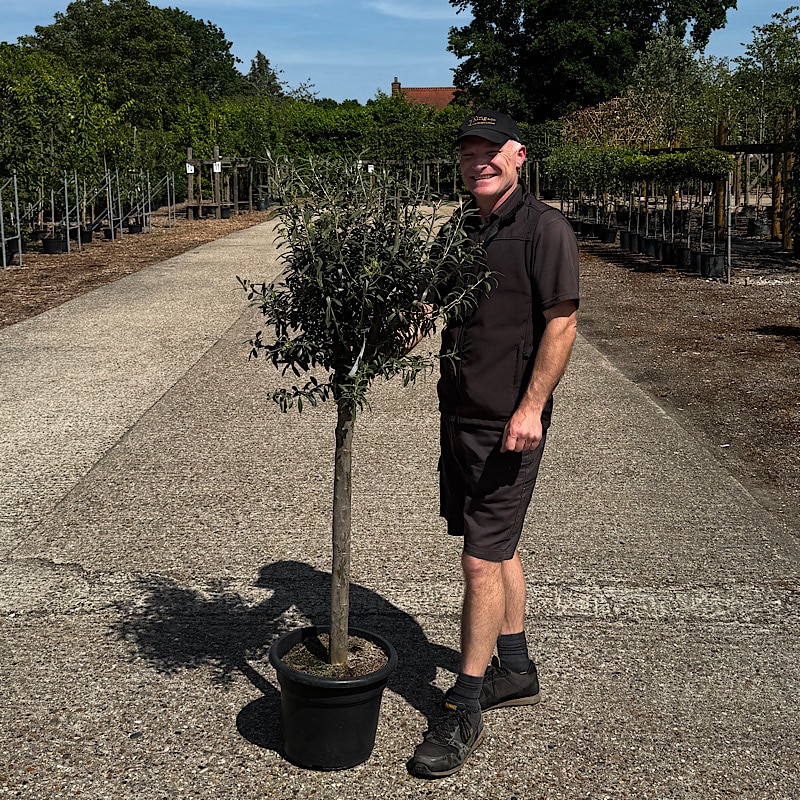
Full sun. Trees growing in full sun generally produce their best flowering, foliage colour and overall growth. Suitable choices include Olive and Magnolia grandiflora ‘Gallissoniere’, both of which thrive in bright, sunny positions.
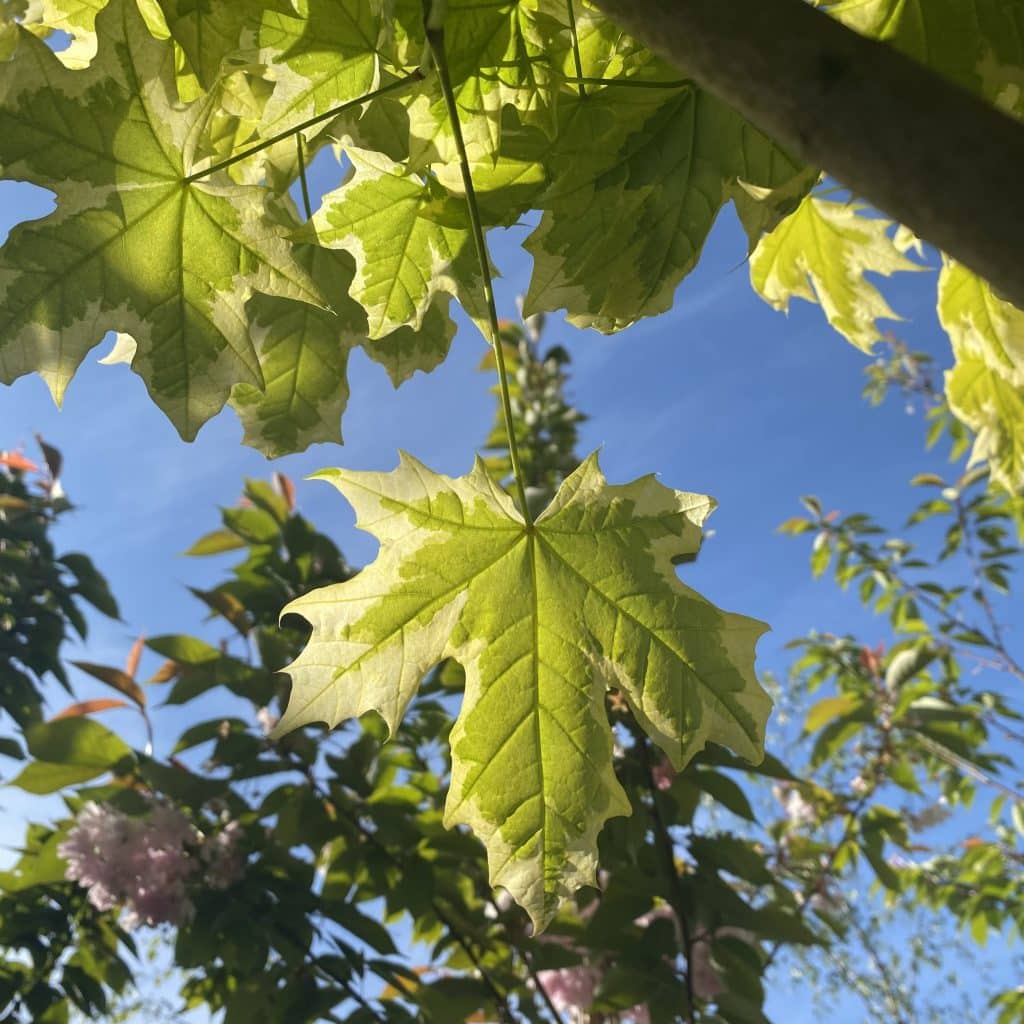
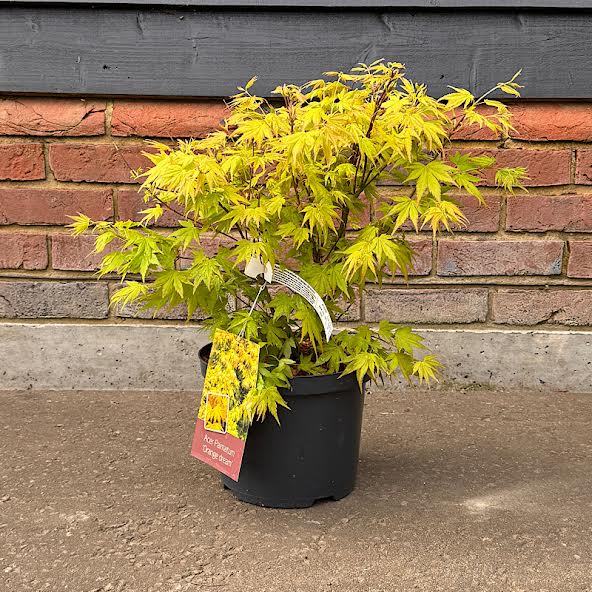
Partial shade. Many species perform well with a balance of sun and shade, particularly where they are protected from the hottest afternoon sun. Acer palmatum and Acer griseum are excellent choices for these conditions.
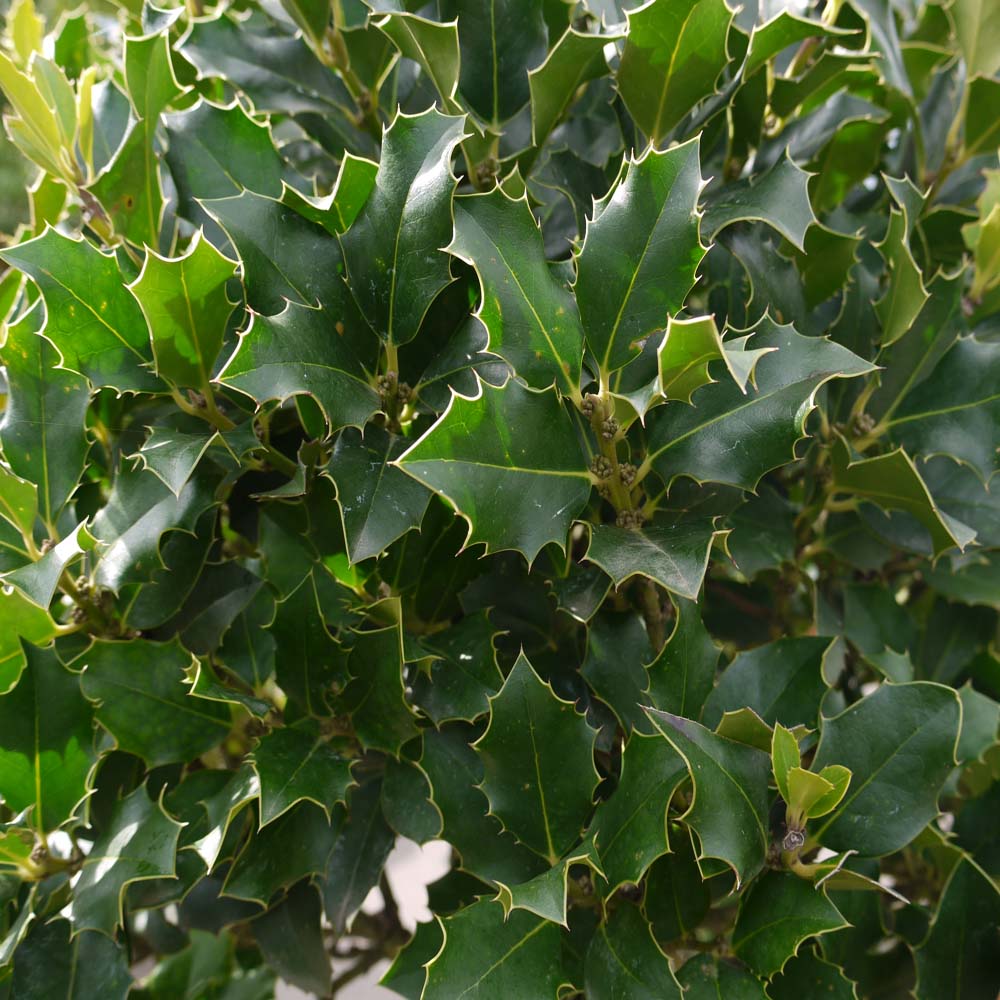
Shade. Shadier areas require species that are adapted to lower light levels. Cherry laurel and English holly are reliable choices for these areas.
Soil Type
Soil conditions have a significant influence on how well a tree establishes and grows. Choosing trees adapted to your existing soil type encourages strong root development, reduces maintenance, and improves long-term health.
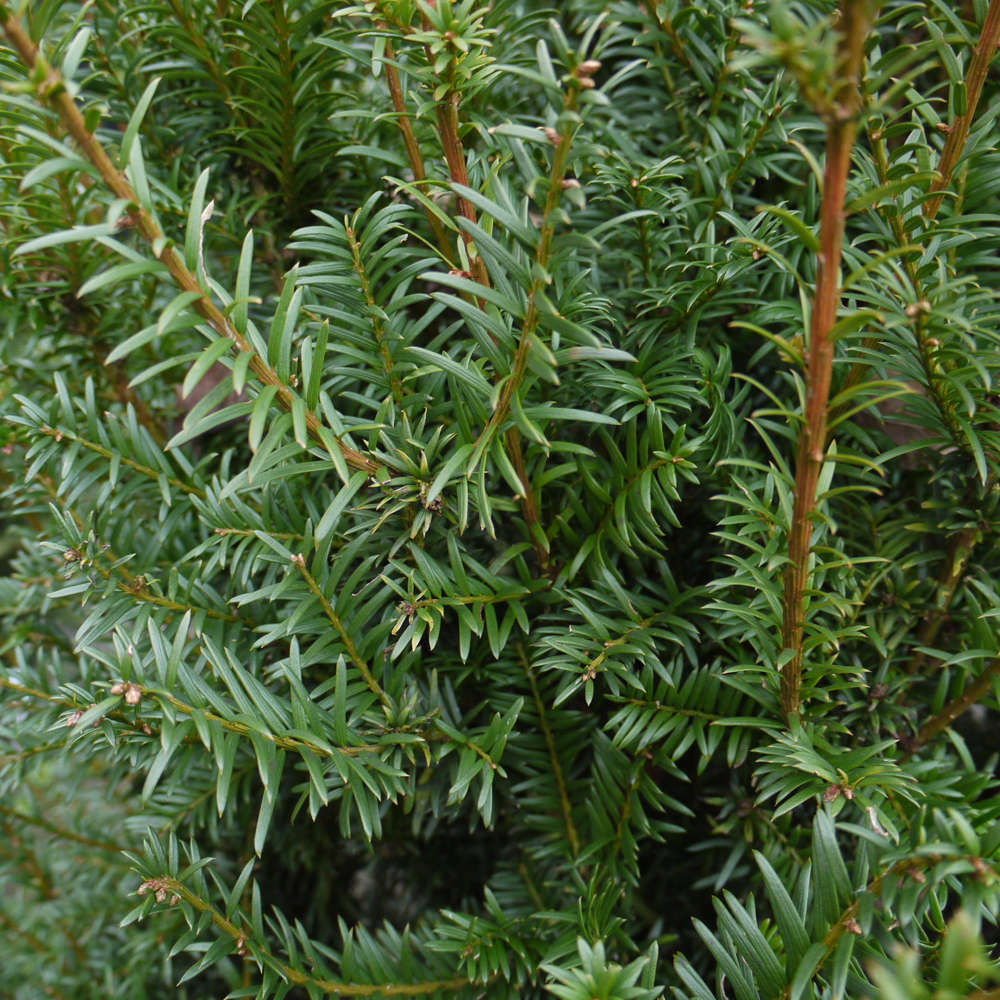
Dry. Free draining soils are best suited to species that can tolerate periods of drought once established. Yew (Taxus baccata) is a hardy and adaptable choice for these conditions.
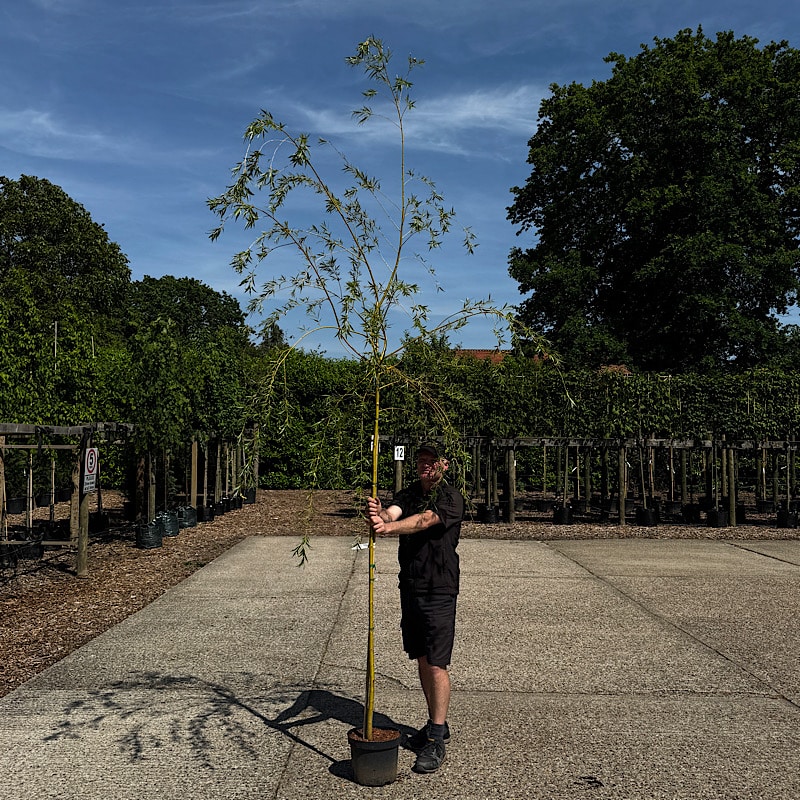
Wet. Consistently damp soils require species that can tolerate high moisture levels. The Golden Weeping Willow (Salix ‘Chrysocoma’) thrives in these environments and is particularly well-suited for planting near ponds or streams. Please note that extremely stagnant or waterlogged conditions can still lead to root suffocation. This can result in weak, shallow root systems and eventually lead to root rot.
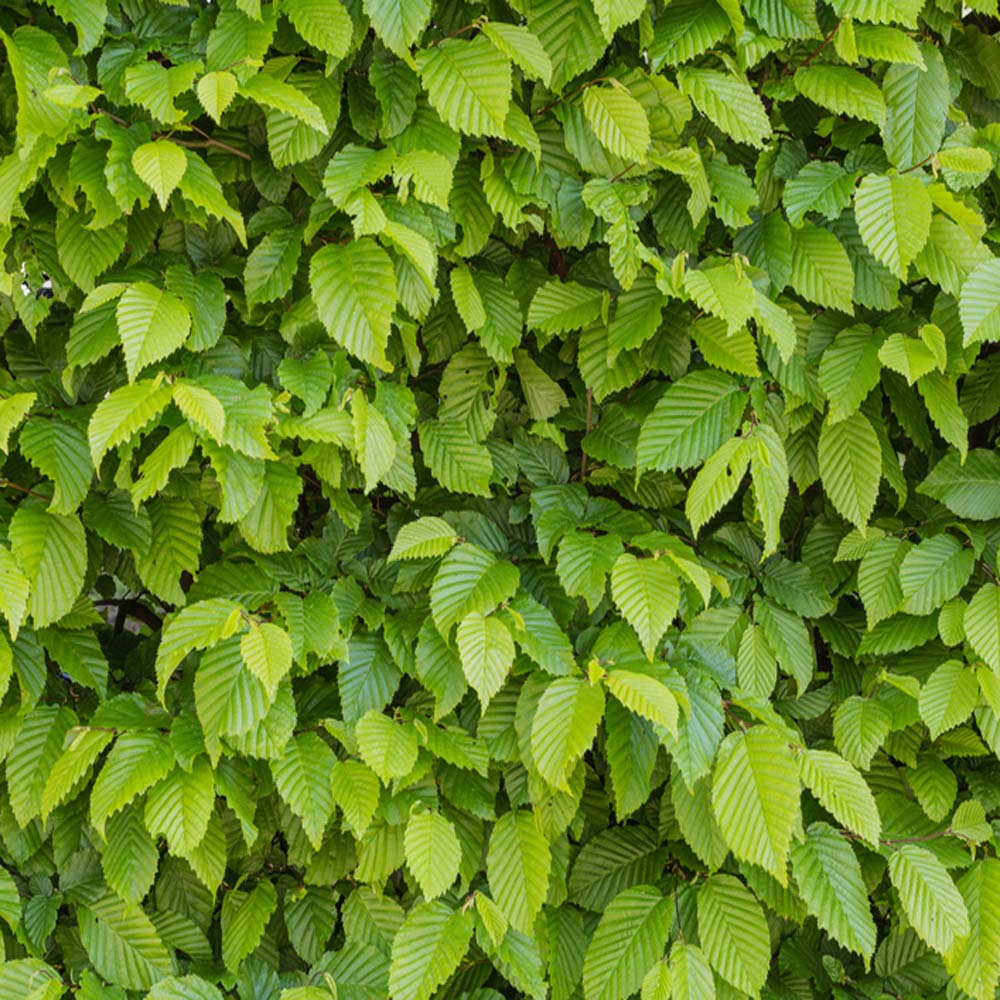
Clay. Hornbeam is an excellent choice for heavy clay or restricted root zones, as it handles compacted ground well once established. While it should not be planted in permanently waterlogged soil, it tolerates temporary winter waterlogging much better than most plants.
Regardless of the species, all newly planted trees require regular watering during their first few growing seasons while their root systems become established. Even drought-tolerant species need consistent irrigation during this initial period. Additionally, ensuring well-drained soil is vital, as prolonged waterlogging can damage roots. In areas with heavily compacted or poor-quality soil, some soil improvement may be necessary to facilitate healthy root development.